
Máté Kiss, PhD
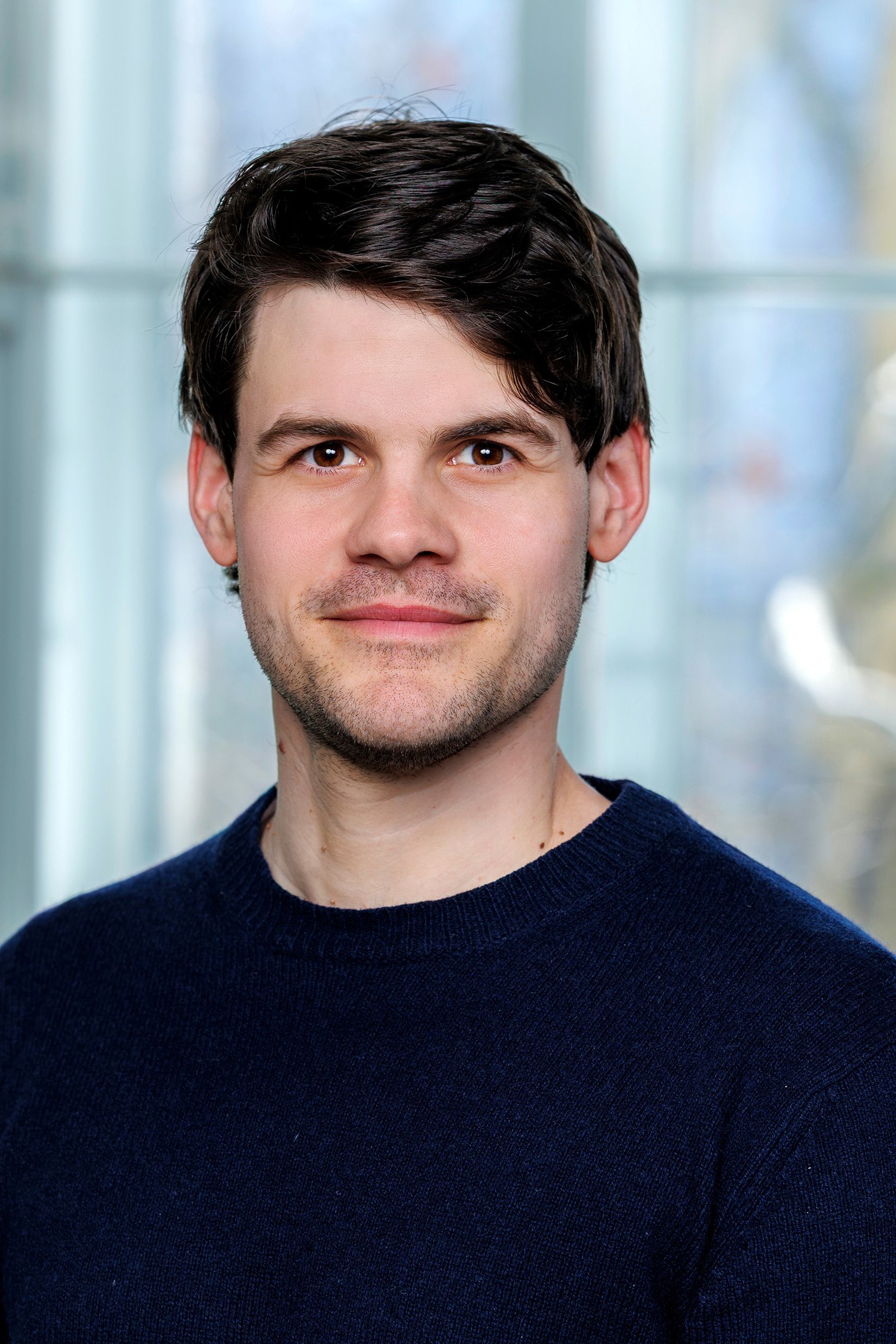
Group Leader
Medical University of Vienna,
Department of Laboratory Medicine & Eric Kandel Institute – Center for Precision Medicine, Vienna, Austria
Anna Spiegel Research Building
Lazarettgasse 14, AKH BT25.2, Level 7
1090 Vienna, Austria
ORCID: 0000-0002-9215-8328
Máté G. Kiss obtained an MSc in Medical Biotechnology from the University of Pécs, Medical School, Pécs, Hungary, graduating in 2013. He then pursued doctoral studies under the supervision of Prof. Christoph Binder at the Medical University of Vienna, Austria, investigating the effect of systemic vis-à-vis local complement activation on immune cell function in the context of cardiovascular disease. Having spent half a year as an exchange graduate student in the laboratory of Dr Filip Swirski in 2016, Máté rejoined the group as a postdoctoral fellow in September 2020 first at Massachusetts General Hospital & Harvard Medical School, Boston, MA and then at the Icahn School of Medicine at Mount Sinai, New York, NY. As part of the return phase of his Erwin-Schrodinger postdoctoral fellowship, Máté relocated to Vienna in 2024 and became a Principal Investigator at the Department of Laboratory Medicine at the Medical University of Vienna in early 2026.
Know-how and research interest
In his current work, Máté takes a multidisciplinary approach to unravel fundamental cellular and molecular mechanisms in brain-body communication axes that contribute to cardiovascular diseases and autoimmune disorders. By combining tools and methodologies of neuroscience and cardiovascular immunology, he uses various preclinical disease models to investigate how brain-border immunity affects the crosstalk between the central nervous system and the periphery and whether this is influenced by lifestyle factors, such as diet or sleep. Moreover, - in close collaboration with clinical experts - he is determined to translate his bench-side findings to improve individual healthcare.
Máté was originally trained as an immunologist and a vascular biologist, elucidating the role of systemic vis-à-vis cell-autonomous complement activation in atherosclerosis (Kiss et al. 2019, Kiss & Binder 2022, Kiss*, Papac-Miličević* et al. 2023). Over his postdoctoral years, he developed a profound interest in neuroscience. He has been studying how sleep affects the nervous, metabolic and immune systems (Kiss*, Cohen* et al. 2024) and contributed to the first study that causally demonstrated that disrupted sleep accelerates atherosclerosis through a brain–bone marrow neuroimmune axis controlling hematopoiesis (McAlpine, Kiss et al. 2019). Further, he could show that sleep modifies the epigenetic profile of hematopoietic stem cells and has a lasting effect on their diversity (McAlpine*, Kiss* et al. 2022). In addition, he elucidated mechanisms by which astrocyte-microglia crosstalk affects CNS disorders, such as multiple sclerosis (Kiss*, Mindur* et al. 2023).
Collectively, Máté has authored 7 first-author manuscripts and contributed to various other publications in the field on cardiovascular disease, autoimmunity and neuroimmunology, published in several high impact journals, such as Nature, Immunity, Journal of Experimental Medicine or Science Immunology. He also secured multiple personal funding, including a recent stand-alone FWF Principal Investigator Project that was preceded by an FWF Erwin Schrödinger Postdoctoral Fellowship, The 2023 Doft Family Postdoc Innovator Award by the Friedman Brain Institute and a cardiovascular mini grant from the Leducq Foundation. Further, he has been recognized by national and international scientific awards (including the prestigious Young Investigator Award by the European Atherosclerosis Society in 2024) and has been an invited speaker at scientific conferences and fundraising events.
Main research focuses
- To elucidate the effect of sleep on brain-border immunity in autoimmune disorders and cardiovascular diseases
- To investigate the age-associated impact of dyslipidemia on hematopoiesis in the skull
- To unravel the role of cell-autonomous complement in macrophage identity in health and disease